
The performance of a lift station can be defined long before it’s an concrete structure complete with valves, pumps, and piping. The design is determined by several variables, including calculation of flow rates, elevation of the site the system pressure, the properties of wastewater the temperatures access to maintenance controls, and capacity to come.
Project owners who want to evaluate the top lift station builders The most important question isn’t about who can provide pumps. It’s not about who is able to specify pumps and who is able to translate the operating requirements and site conditions into a system that is practical to build, operate and maintain.
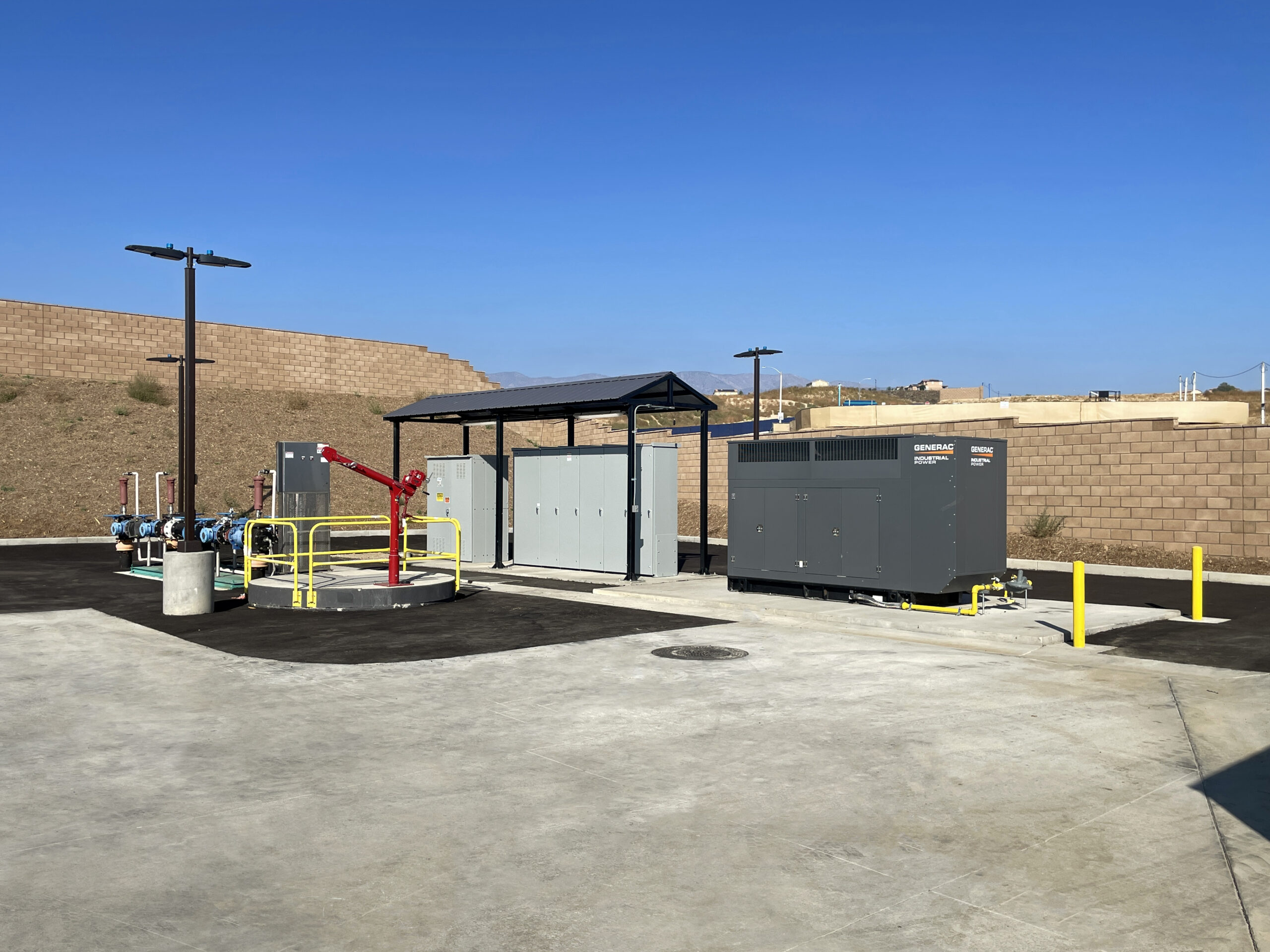
Image credit: romtecutilities.com
The limits of gravity are not unattainable.
Gravity is typically the most efficient way to convey wastewater, but terrain and development patterns aren’t always in sync. New commercial, residential, and industrial sites may sit in a position that is too low, or too distant, or in areas where the expansion of gravity sewers isn’t feasible.
A lift station can provide the necessary force to move wastewater from one area of the system of collection to another. However, the design process requires a thorough understanding of normal operation and less ideal circumstances like a high flow and maintenance of pumps, malfunctioning equipment or future rises in demands.
Companies considered among the best wastewater designers should therefore evaluate the entire conveyance problem rather than treating the station as an isolated piece of equipment.
Existing infrastructure can complicate the puzzle
New construction isn’t the only difficulty. Municipalities frequently need to repair or replace older stations while keeping vital sanitation infrastructures in operation.
Existing wetwells, forcemains, electrical services and controls as well as the site’s boundary and downstream infrastructure can limit the design. Engineers must decide which elements can remain or replaced, and what must be upgraded, and which need to be replaced.
Romtec Utilities has experience in municipal, private and commercial applications, as well as retrofit and replacement projects. This permits pumping systems to be adapted to the owner and operation requirements of every project.
Stormwater Follows Different Rules
The best stormwater system designers need to use the search terminology to solve an issue with a different hydrologic. Stormwater systems can experience dramatic changes in volume based on the amount of rainfall, drainage capacity and the discharge rate allowed.
Stations that serve detention basins, for example, might need to temporarily store runoff until pumping it out at a steady pace. Engineers need to consider the flow, head conditions the requirements for environmental protection, flood-management goals and the specifics of the receiving drainage system.
Prefabrication is a way to move work from the worksite
The complex field assembly creates the potential for scheduling conflicts, installation mistakes changes, delays. Romtec Utilities performs significant prefabrication of equipment prior the installation location.
Completing more assembly and quality-control work in a controlled atmosphere can decrease the amount construction needed in the field. According to the method of project implementation that was outlined by Romtec Utilities, some installations that might otherwise require weeks to complete could be reduced to just a few days subject to the specific conditions of the project.
The Commissioning Process is Key to Engineering Success
A station isn’t a guarantee simply because every component has been put in place. Romtec Utilities is an installation consultant and will monitor the process of construction from startup to control-panel check, pump operation, testing the system and staff education. Documentation also gives operators details that they can use to maintain the system or contemplating possible expansion plans.
This last stage is crucial for those who are looking for the top lift station designers. The result of good engineering should go beyond an acceptable set of sketches. The proprietor should be left with a system that works with well-trained staff, useful documentation, and equipment that is specifically designed to handle the demands of the facility.