
Color may be exactly right, but extended wear reveals a problem with cap comfort. A second wearer likes the convincing hairline, yet would rather avoid a twenty-minute lace adjustment routine each morning. Someone else buys a beautiful unit, only to discover that the density feels heavier than expected.
For a wig brand, these comments are more than customer feedback. Such observations can guide the development process toward products that deliver a wearing experience people appreciate.
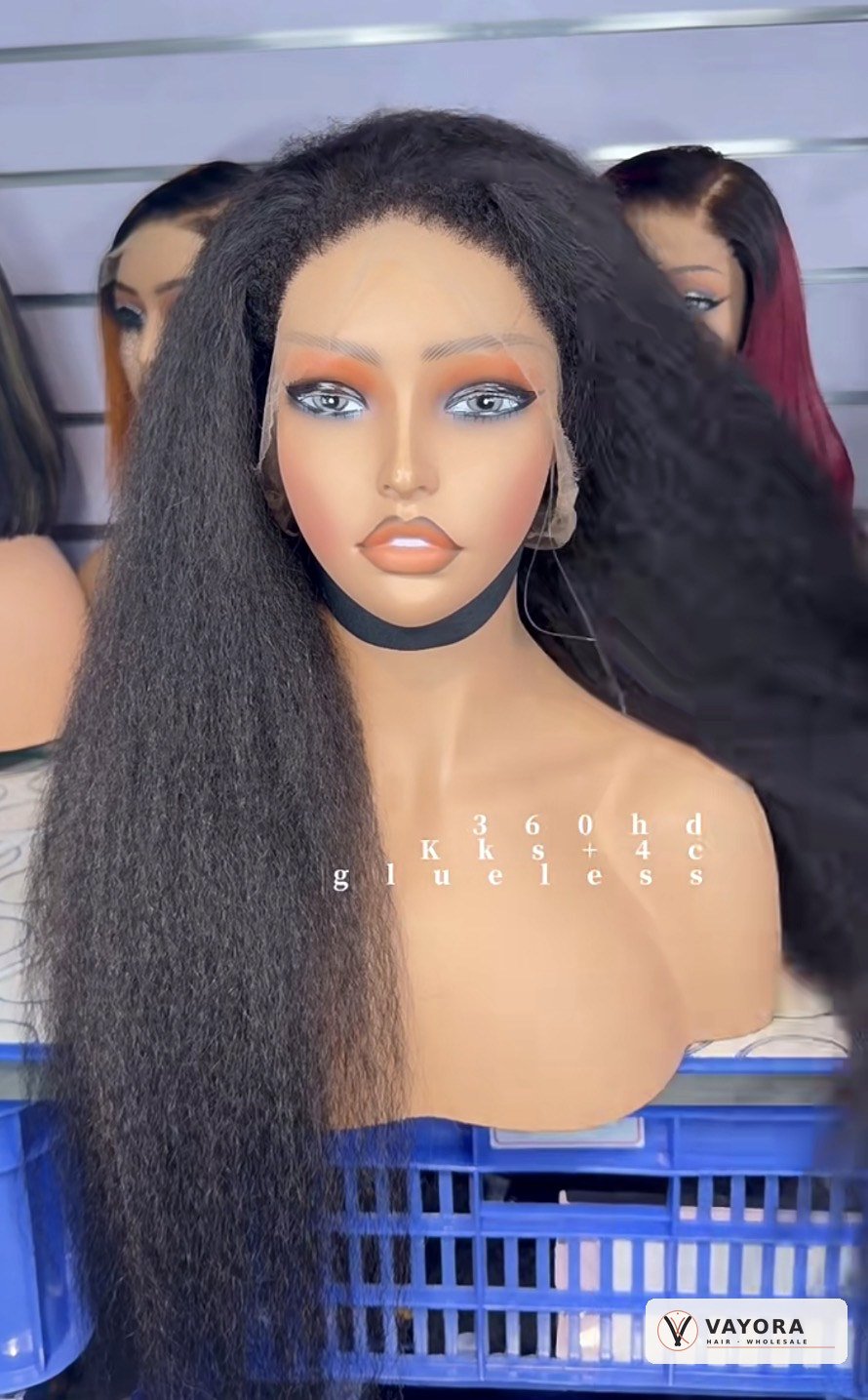
Image credit: vayorahair.com
The most recent viral look is not necessarily the starting point of a successful wig collection. What matters is learning what customers want to get out of the experience when they put on a wig.
Understand the Concerns Behind Customer Feedback
Buyers seldom use factory-specific terms to explain what they need. Comfort during wear, ease of use, how it looks and how confident the wearer feels are what customers discuss. When a buyer asks for a simpler morning routine, a glueless design may be worth exploring. Feedback about a hairline that does not look natural can direct attention to lace appearance, knot treatment, hair density, or parting design.
When selecting a human hair wig manufacturer China brands should look for the ability to translate ordinary customer concerns and express them as measurable product specifications.
Rather than ordering a 22-inch body-wave wig alone, a buyer can outline the experience intended for wearers, how the cap should fit, lace construction, the look of the hairline, and finished weight. With that information, developers can focus on a clearer target.
Build Your Private Label Range Its Own Identity
The products selling well right now often become the entire basis for a developing wig brand’s catalog, which can be a mistake. Competing stores may end up offering very similar collections.
Choosing a private label wig manufacturer China retailers can work closely with gives brands an opportunity to create a more consistent identity across the range. A brand could focus on lightweight everyday styles, premium natural-hairline designs, or ready-to-wear styles for customers who want minimal preparation. To keep the collection cohesive, align texture, length, color, density, cap construction, and packaging with one customer promise. A identifiable product range can encourage repeat visits for reasons other than a short-term promotion.
Glueless Wigs Require More Than a Label
Although the word “glueless” seems simple, the experience of wearing the wig depends on a range of construction details. To understand fit, consider cap sizing and adjustment features, attachment components, lace preparation, and hairline design. All influence how comfortable and secure the wig feels.
A glueless wig manufacturer China buyers choose should help clarify these requirements before production begins. For a range intended for people purchasing their first wig, the priorities may include density that is easy to manage, pre-cut lace, and straightforward adjustments. By contrast, a range for professional hair stylists may call for a different set of customization features. One approach is not necessarily better than the other. What distinguishes them is the customer they serve.
Sample Review and Brand Reputation
A photograph cannot reveal all the characteristics of the wig. A buyer should assess how the cap fits and the hair moves, check the color against expectations, and verify whether the finished construction matches the approved design. Reviewing samples allows buyers to recognize differences before placing a larger order.
Consistently producing the same style calls for documented product specifications and quality-control procedures, particularly for a wholesale human hair wigs supplier handling repeat orders. The success of the first batch may be challenging to replicate without clear references.
Position Your Collection for Future Growth
Through product development, private label services, sampling, specification control, and repeat-production workflows, VAYORA assists B2B wig brands, retailers, and distributors. The focus is on linking what wearers expect with the physical details responsible for how the wig looks, fits, and feels.
A catalog expansion should follow a careful review of customer feedback, identification of the strongest product opportunities, and establishment of well-defined approval standards. A successful next collection might not depend on offering additional styles. It may require fewer compromises in the styles customers already want.