
The color can be just what the buyer wanted, but several hours in the wig exposes a problem with cap comfort. A natural-looking front is welcome, but another customer finds a daily twenty-minute lace routine more preparation than desired. For a third buyer, the appearance is not the issue. It is the unexpectedly heavy feel created by the wig’s density.
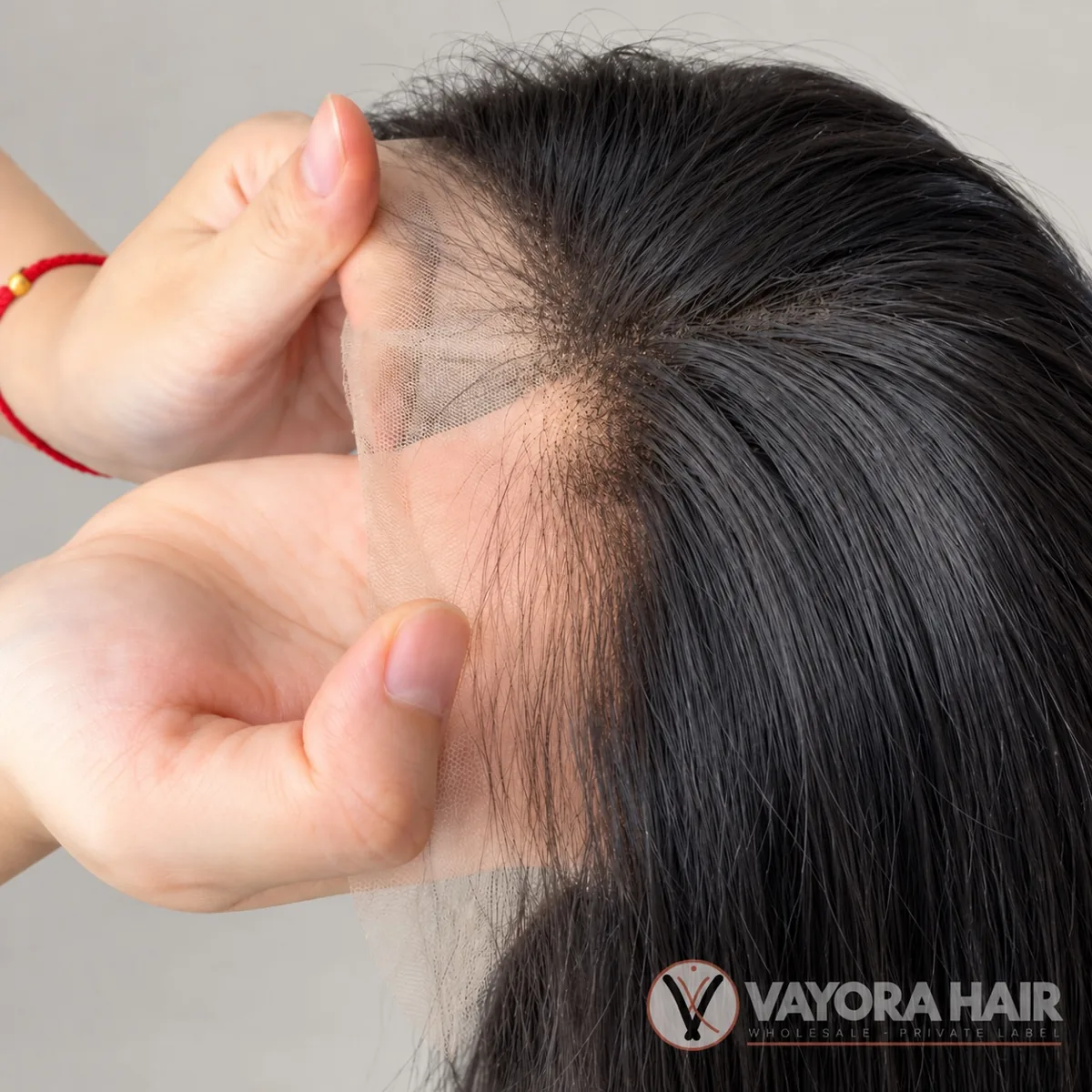
Image credit: vayorahair.com
A wig retailer developing its own products can view such comments as more than simple feedback. Such feedback can guide product development toward products that deliver a wearing experience people appreciate.
Successful wig collections aren’t necessarily built around the latest viral hairstyle. They’re built around understanding what customers want to experience when they put a wig on.
Explore the Problems Behind the Purchase
When wearers explain their needs, they generally do not speak in factory terminology. The language customers use reflects practical priorities: comfort, convenience, appearance, and confidence. A request for an easier morning routine might point toward a glueless construction. An unconvincing hairline may signal a problem with how the lace looks, the treatment of knots, density, or the way the part is designed.
Converting customer observations into measurable specifications is a capability to look for in a human hair wig manufacturer China brands choose.
A 22-inch body-wave description need not define the entire order. Buyers can also specify the intended wearing experience, cap fit, lace construction, hairline appearance, and finished weight. The development team benefits from having a more clearly defined target.
Making a Distinction With Your Private Label Wig Range
The products selling well right now often become the entire basis for a developing wig brand’s catalog, which can be a misjudgment. The result can be a collection that looks remarkably similar to competing stores.
Working with a private label wig manufacturer China retailers can collaborate with allows brands to develop a more consistent product identity. That might mean creating a lightweight everyday collection, a premium natural-hairline range, or ready-to-wear wigs designed for customers who prefer minimal preparation. The shared customer commitment should guide texture, length, color, density, cap construction, and packaging. When a range has a distinct identity, customers have a reason to return that is not limited to temporary savings.
Consider More Than the Glueless Label
The term “glueless” sounds simple, but the wearing experience depends on several construction details. Everything from cap sizing and adjustment features to attachment components, lace preparation, and hairline design affects how securely and comfortably the unit fits.
A glueless wig manufacturer China buyers choose should help clarify these requirements before production begins. A brand serving customers new to wigs, for instance, might focus on manageable density, pre-cut lace, and straightforward adjustment features. The customization requirements for a professional stylist’s collection may be different. It would be a mistake to assume that either choice is necessarily superior. Each is intended for a different wearer.
Sampling Protects the Brand’s Reputation
There are details of a wig that cannot be assessed from an image alone. Does the cap fit properly? What is the hair movement like? Buyers also need to check whether the color meets expectations and the finished construction follows the approved design. The sample stage creates an opportunity to identify discrepancies ahead of a larger production order.
Consistently producing the same style calls for documented product specifications and quality-control procedures, particularly for a wholesale human hair wigs supplier handling repeat orders. A lack of clear reference materials can make it difficult to reproduce the results of a successful first batch consistently.
Position Your Collection for Future Growth
VAYORA works with B2B wig retailers, distributors, and brands to support product development, private label services, sampling, specification control, and workflows for repeated production. Its approach connects customer expectations with the physical details that determine how a wig looks, fits, and feels.
Prior to expanding a product range, brands should examine customer feedback, pinpoint their strongest product opportunities, and set clear approval standards. More styles are not necessarily what the next successful collection requires. It may require fewer compromises in the styles customers already want.