
Cooking oil is one those ingredients most people use often, but do not think about. You can grab the one closest to you and believe that it will do everything. Actually, oils perform differently based on heat flavor, temperature, and composition. Understanding those differences is one of the best ways to cook for better results at home.
The choice should not be made based on the latest headlines or trends. It is crucial to think about how each oil performs used in real-life cooking situations.
The importance of oil choice is more important than you believe
Oil does three important jobs when cooking. It is a conduit for heat from the oven to the food. It also adds flavor at a subdued or significant level. It can also affect nutrition, depending on the kind of fat used and its stability at high temperature.
When an oil heats up it doesn’t smoke, it begins to breakdown. This can reduce the nutrition value of foods items and produce unpleasant flavors. If you make the wrong choice of oil, your food will taste bitter, bland or greasy.
When using olive oil in cooking, it is best to make use of it with intention
Olive oil has been researched and is extensively used in cooking. It is made by pressing olives. It’s a rich source of monounsaturated fat acids, in addition to antioxidants such polyphenols and Vitamin E.
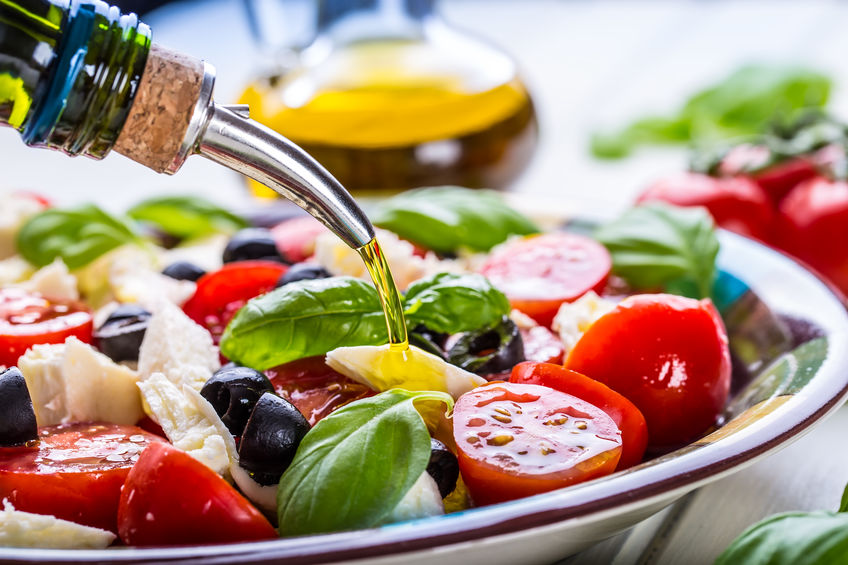
Extra virgin oil is peppery sweet, strong and fruity. This makes olive oil suitable for cooking ideal for salad dressings, marinades, roasted vegetables as well as light sauteing and food preparation. In these situations it is possible to enhance the flavor of the food is not lost but enhanced.
The smoke point of extra virgin olive oils is much lower than many people believe. The refined olive oil is ideal to cook at higher temperatures. It has a milder flavor and higher heat tolerance, making it better for baking, frying, and roasting at higher temperatures.
Olive oil is a nutritious and delicious product when used correctly.
Coconut Oil: Specific but Stable
Coconut oil behaves in a completely different way unlike olive oil. It’s high in saturated fats that makes it extremely solid under temperatures. This stability is the major reason why people use coconut oil to cook with.
Coconut oils that have been refined have an extremely mild flavor and are great for baking, frying or any other application where temperature stability is the most important thing. Coconut oil that is not refined retains a distinct coconut aroma and flavor. Its flavor is advantageous in certain meals, like curries, stir-fries and desserts, but it could interfere with savoury dishes when it is not considered.
Coconut oil shouldn’t be consumed as a standard for a regular basis. It is best to use it occasionally. It’s delicious in high temperatures, but does not have the same antioxidant properties as avocado or olive oil.
Avocado Oil is Heat-Friendly, non-toxic and neutral
Avocado oil is now a popular ingredient mostly due to how well it can handle heat. Avocado oil for cooking has one of the highest smoke points of commonly used oils, which makes it ideal for searing, roasting, grilling, and frying.
Nutritionally, avocado oil is rich in monounsaturated fatty acids and vitamin E. This puts it on a par with coconut oil and olive oil when it comes to health benefits. Its mild and neutral flavor makes it an ideal choice if you’re looking to ensure that the oil doesn’t alter the flavor of food.
When cooking at high temperature, avocado oil is the best and secure option. It’s also a healthy fat.
How to Utilize Oils Effectively
The right oil for each task is not always the identical. It is recommended to have a variety of options and to use the best of them all.
Avocado oil is great to cook at high temperatures. Avocado oil is ideal for high-heat cooking. Coconut oil is an excellent option to ensure heat stability or if a distinctive taste is what you are looking for.
If you are able to recognize these differences, then you will be able to cook more consistently and without the need for guesswork.
The more basic the ingredients is the better the cooking
Good cooking doesn’t require complicated techniques or costly ingredients. It’s usually about small, logical choices which are made regularly.
Knowing when to utilize coconut, avocado, or olive oil for cooking will improve your taste as well as your overall confidence. When you know how oils behave, cooking can be significantly easier and more enjoyable.